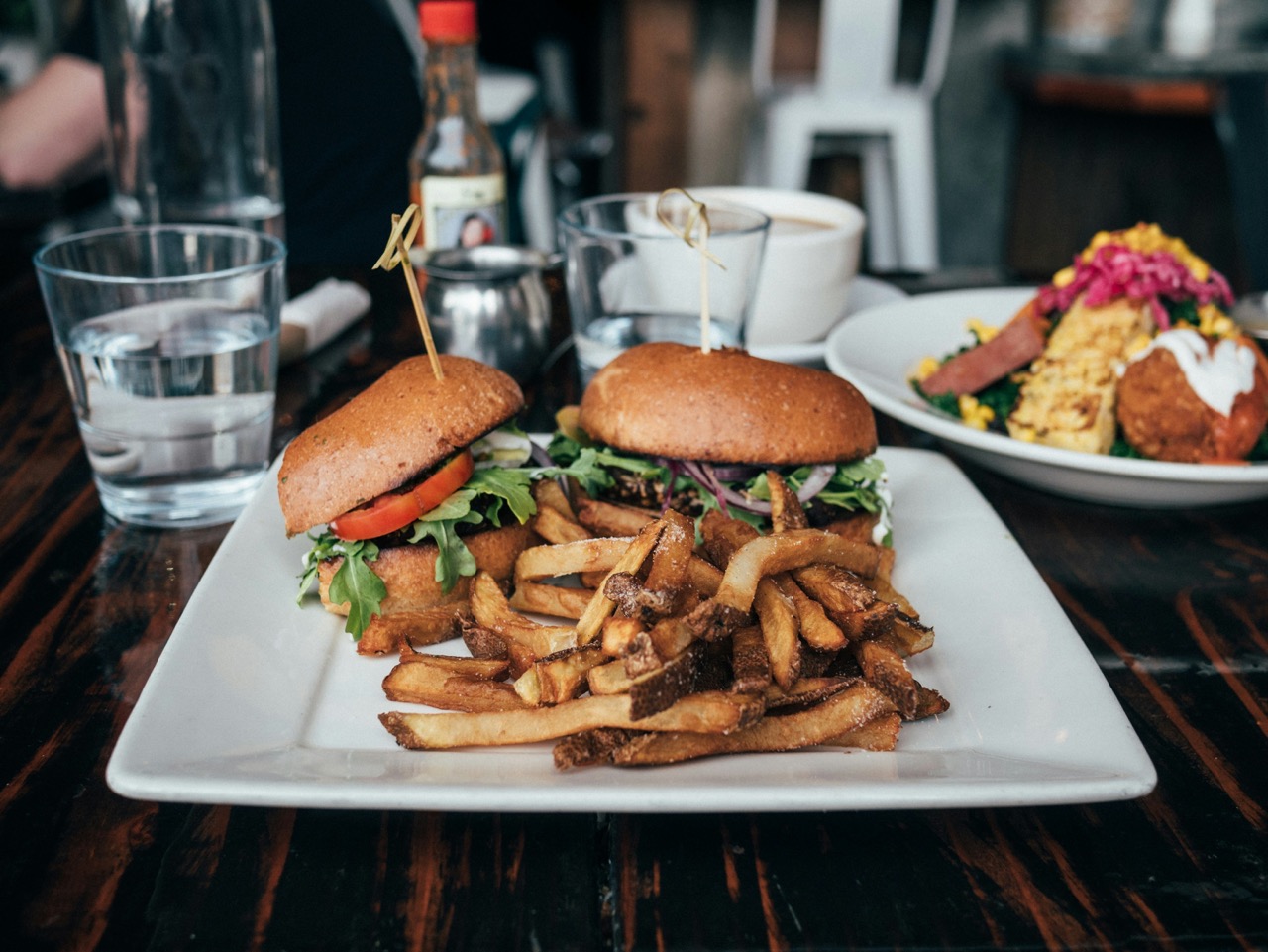
For years, a fast food chain’s vegan offering, if it existed at all, was almost always framed as a limited time test: a promotional plant based burger available for six weeks, pulled from the menu regardless of how well it sold, treated more as a marketing stunt than a genuine category expansion. That pattern has started to break down in 2026, with several major chains committing to permanent plant based menu items across their full store network rather than a seasonal trial in a handful of test markets.
What actually changed this year
The shift is less about any single company having a change of heart and more about accumulated sales data finally overriding institutional caution. After nearly a decade of limited time plant based promotions across the fast food industry, chains now have enough historical sales data to know that a well executed vegan item does not cannibalize meat sales the way early internal projections feared, it largely captures incremental orders from flexitarian customers who might otherwise have skipped the visit entirely or gone to a competitor with better plant based options. That data has made permanent menu placement a much easier internal sell to franchise owners who ultimately decide what stays on the menu long term.
The categories seeing the most movement
- Plant based chicken items: nuggets and sandwiches built on soy or pea protein bases have expanded fastest, since fried chicken’s breading and sauce heavy format is relatively forgiving to replicate
- Vegan burger patties: now a standard permanent option at a growing number of major burger chains rather than a limited time promotional item
- Dairy free options: oat milk in coffee drinks has become close to universal at major chains, and dairy free ice cream and milkshake options have followed at a smaller but growing number of locations
- Breakfast items: plant based sausage and egg alternatives are the newest category to see permanent rollout, lagging behind lunch and dinner items by a couple of years
Why franchise structure has been the real bottleneck
A common misconception is that corporate leadership alone decides what stays on a fast food menu. In reality, most major chains operate largely through independently owned franchises, and adding a permanent menu item requires those franchise owners to invest in new equipment, staff training, and inventory management for an ingredient that behaves differently in storage and prep than what they are used to. This franchise layer has historically been the slower moving part of the equation, and 2026’s wave of permanent rollouts reflects franchise owners finally having enough confidence in sustained demand to justify that operational investment, rather than corporate marketing simply deciding to push harder.
The advocacy pressure behind the scenes
This shift has not happened purely through market forces. Organizations like Mercy For Animals have run sustained corporate outreach campaigns for years specifically targeting fast food chains, pushing for permanent plant based menu commitments rather than one-off promotional items, and publishing scorecards that rank chains on the depth and permanence of their plant based offerings. The Vegan Society has similarly tracked corporate commitments as part of broader efforts to hold companies accountable to public sustainability pledges, since a lot of chains have made loose climate commitments that are difficult to meet without meaningfully shifting their protein sourcing mix.
Veganuary’s role in seasonal demand spikes
It is worth noting how much of the plant based fast food category still leans on seasonal demand patterns. Veganuary, the annual campaign encouraging people to try plant based eating for the month of January, has become something close to an unofficial launch window for the fast food industry, with a noticeable share of new plant based menu items debuting in the weeks immediately before or during January specifically to capture that seasonal spike in interest. What is different about 2026’s wave of announcements is that more of these January launches are being framed explicitly as permanent additions rather than a campaign tie-in that quietly disappears by March.
Where the honest gaps still are
Permanent does not mean universal. A chain announcing a permanent vegan menu item nationally still frequently leaves gaps in cross contamination practices, since plant based patties are often cooked on the same grills or in the same fryer oil as meat products at many locations, a detail that matters enormously to strictly vegan customers even if it is a non-issue for flexitarians. Sauces and bun ingredients also remain an inconsistent weak point, with dairy based mayonnaise or egg washed buns sometimes undermining an otherwise vegan sandwich. Advocacy groups have continued pushing chains on exactly these details, since a headline grabbing plant based burger announcement means little in practice if the supporting ingredients and prep process were not built with strict vegan customers in mind.
How to actually order well at a chain with a mixed menu
For strictly vegan customers navigating a mostly conventional fast food menu, a bit of homework still pays off. Checking a chain’s allergen and ingredient disclosure page before ordering, most large chains now publish these online given regulatory expectations similar to those the FDA oversees for food labeling, is the most reliable way to catch a hidden dairy based sauce or an egg washed bun before it ends up in your order. Asking directly about shared cooking surfaces at the counter, while sometimes met with an uncertain answer from staff not deeply trained on the distinction, remains worth doing for anyone with stricter requirements than a casual flexitarian customer might have.
What this signals going forward
The move from limited time offer to permanent menu fixture is a meaningful signal about how fast food companies now view plant based demand: not as a passing trend requiring a cautious toe dip, but as a durable customer segment worth building permanent supply chains and staff training around. It does not mean every chain has fully committed, and cross contamination and sourcing issues remain real gaps worth pushing on. But the direction of travel in 2026 is clearly toward normalization rather than novelty, and that shift matters more for long term availability than any single new product launch.
